Content studio
25 AI influencer content ideas built for recurring characters
Try 25 concrete AI influencer video ideas across comedy, style, product stories and audience replies, with recurring formats you can make your own.
In this guide
The best starting point for AI influencer content is a recurring character in a situation viewers understand. These 25 ideas are production prompts, not promises of virality. Adapt the premise, use footage you have permission to adapt, and give each post one clear payoff.
Everyday comedy: an extraordinary character, an ordinary problem
- Overdressed for the errand: Mallow arrives at a laundromat dressed for an awards ceremony. Reveal the washing basket last.
- The impossible dress code: show the invitation, the character’s interpretation and the room they walk into.
- One tiny inconvenience: Marble’s immaculate morning is interrupted by a coat caught on a chair.
- Waiting with dignity: a character maintains an elaborate pose while a mundane queue barely moves.
- The wrong occasion: stage an elegant entrance that ends at a very ordinary desk lunch.
Style and visual transformations
- One character, three invitations: change the outfit for a picnic, a gallery opening and a late train.
- Color tells the story: keep the action fixed and use three palettes to change the mood.
- The signature accessory: build a short scene around one recognizable pair of glasses.
- Outfit versus weather: let the setting complicate a carefully planned look.
- Same pose, different world: move the character between three clearly different sets without changing identity.
Product stories with an actual scene
- The bag that becomes the plot: use a handbag as the object everyone is waiting for; do not invent capacity or durability claims.
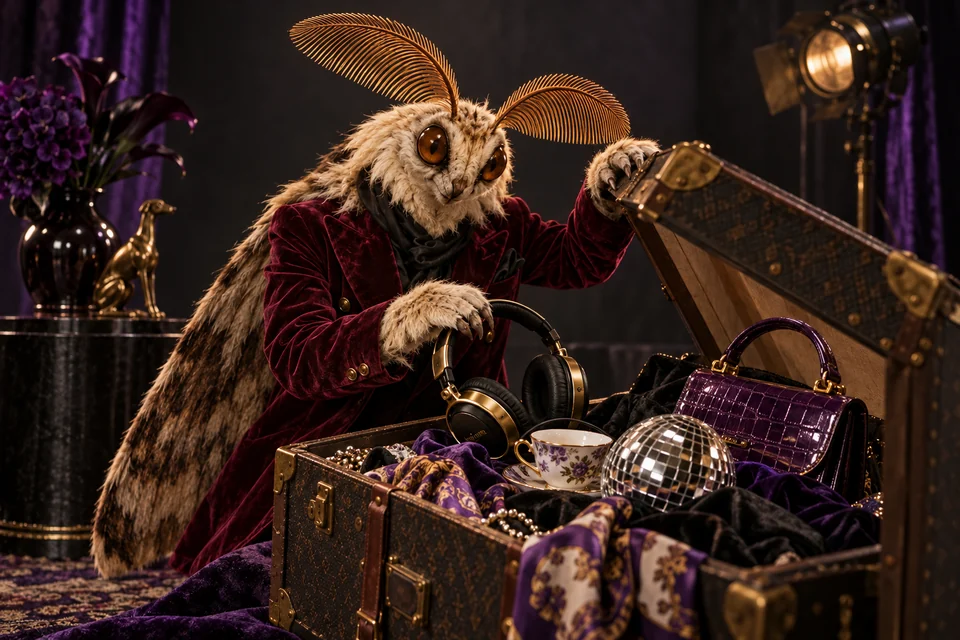
- Headphones change the mood: contrast the character’s expression before and after the music starts, without presenting a synthetic performance as a real review.
- The sunglasses reveal: start on a silhouette and reveal the accessory in a readable close-up.
- Choose the finishing detail: ask viewers which accessory completes an already coherent outfit.
- Product in its world: place one approved product in a scene that fits the character’s established interests.
Audience-led episodes
- You choose the destination: offer two settings and use the selected one in the next episode.
- Reply to a real question: turn an audience question into a short visual answer, with permission if identifying the commenter.
- Caption this moment: use a frame with a clear visual tension, then credit a selected response with permission.
- One rule from the comments: let viewers add a constraint to the next scene.
- Return of the side character: bring back a prop or fictional companion people already recognized.
Behind the scenes that teach something
- Reference to result: show the approved identity beside a finished scene and explain one decision.
- One change, two versions: compare the same source with a different setting or outfit.
- Why this shot failed: explain a continuity problem and the simpler scene that fixed it.
- A storyboard becomes a clip: show five planned beats next to the final sequence.
- The weekly creative review: share one thing you will keep, one you will change and one new idea to test.
Turn the list into a repeatable series
Choose three ideas that share a character premise. Give each a specific opening, action and payoff, then estimate the production work. Avoid making all 25 before you learn which formats you can produce well and which ones your audience understands.
For commercial posts, include the required relationship disclosure and check the product against approved references. AIAvatars’ brand-offer network is coming soon; the demo is an illustration of the intended workflow. Use the 30-day calendar to turn these ideas into a manageable schedule, and the hook guide to sharpen the opening.
